Sales CRM, a powerful tool for enhancing sales efficiency and customer relationships, plays a vital role in modern business operations. Dive into the world of Sales CRM to discover how it can revolutionize your sales strategy.
Overview of Sales CRM
Sales CRM, or Customer Relationship Management, is a software tool that helps businesses manage their interactions with current and potential customers. It is designed to streamline sales processes, improve customer relationships, and boost overall sales performance.


Primary Functions of Sales CRM
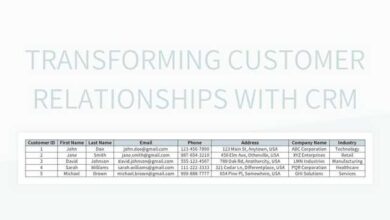
- Centralized Customer Database: Sales CRM allows businesses to store all customer information in one place, making it easy to access and update as needed.
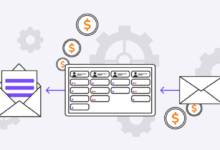
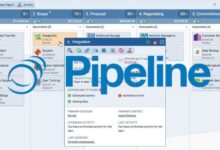
- Lead Management: It helps track and manage leads throughout the sales pipeline, ensuring no potential opportunities are missed.
- Sales Automation: Sales CRM automates repetitive tasks, such as sending follow-up emails or scheduling appointments, saving time for sales reps.
- Performance Tracking: It provides insights into sales performance, helping businesses analyze trends, set targets, and measure success.
Importance of Sales CRM in Business Operations
Sales CRM plays a crucial role in enhancing customer relationships, increasing sales efficiency, and driving revenue growth for businesses. By providing a centralized platform for managing customer interactions and sales processes, it helps organizations better understand their customers’ needs and preferences. This, in turn, allows businesses to tailor their sales strategies and provide personalized experiences, ultimately leading to improved customer satisfaction and loyalty. Overall, Sales CRM is an essential tool for businesses looking to optimize their sales processes and drive sustainable growth.
Types of Sales CRM Systems
In the realm of Sales CRM systems, there are different types that businesses can choose from based on their needs and preferences. Let’s delve into the distinctions between on-premise and cloud-based systems, as well as the comparison between open-source and proprietary software.
On-premise vs. Cloud-based Sales CRM Systems
On-premise Sales CRM systems require the software to be installed on the company’s own servers and managed by their IT team. This setup provides more control over data and customization options but involves higher upfront costs and ongoing maintenance.
In contrast, cloud-based Sales CRM systems are hosted on external servers and accessed through the internet. This model offers flexibility, scalability, and lower initial investment, as well as automatic updates and backups. However, data security and customization options may be limited compared to on-premise solutions.
Open-source vs. Proprietary Sales CRM Software
Open-source Sales CRM software provides the source code for users to modify and customize according to their specific requirements. This fosters innovation, collaboration, and cost-effectiveness, as there are no licensing fees. However, technical expertise may be needed for implementation and ongoing support.
On the other hand, proprietary Sales CRM software is developed and owned by a single vendor, offering a more polished and integrated solution with dedicated support services. While this can lead to faster implementation and easier maintenance, it may come with higher costs and limited flexibility for customization.
Each type of Sales CRM system has its own set of benefits, catering to different organizational needs and preferences. Businesses must carefully evaluate their requirements, budget, and technical capabilities before deciding on the most suitable option for their sales operations.
Key Features of Sales CRM
Sales CRM systems come with a variety of features designed to streamline sales processes and improve efficiency. Here are some key features that are essential in a Sales CRM system:
Automation Tools
Automation tools play a crucial role in Sales CRM by reducing manual tasks and streamlining processes. These tools can automate various aspects of the sales process, such as sending follow-up emails, updating customer records, and assigning tasks to sales representatives. By automating repetitive tasks, sales teams can focus more on building relationships with customers and closing deals.
Analytics and Reporting
Analytics and reporting are vital components of Sales CRM systems as they provide valuable insights into sales performance and customer behavior. With advanced analytics capabilities, sales teams can track key metrics, identify trends, and make data-driven decisions to optimize their sales strategies. Reporting features allow sales managers to generate customized reports, monitor sales activities, and evaluate the effectiveness of their sales campaigns.
Implementation of Sales CRM
Implementing a Sales CRM system successfully requires careful planning and execution to ensure seamless integration and adoption within an organization.
Steps for Successful Implementation of a Sales CRM System
- Define clear objectives and goals for CRM implementation.
- Choose the right CRM system that aligns with the organization’s needs and processes.
- Ensure strong leadership support and involvement throughout the implementation process.
- Allocate sufficient resources, including time, budget, and personnel, for effective implementation.
- Train employees on how to use the CRM system and provide ongoing support and guidance.
Challenges Organizations May Face During CRM Implementation
- Resistance to change from employees accustomed to old systems or processes.
- Data migration issues when transitioning to a new CRM system.
- Lack of user adoption due to insufficient training and support.
- Integration challenges with existing software and tools within the organization.
Tips for Training Employees on Using Sales CRM Effectively
- Provide comprehensive training sessions covering all aspects of the CRM system.
- Offer hands-on practice and simulations to help employees familiarize themselves with the CRM interface.
- Assign dedicated CRM champions within each department to serve as internal resources for support and guidance.
- Encourage feedback and continuous learning to improve CRM usage and effectiveness over time.
Integrating Sales CRM with Other Systems
Integrating Sales CRM with other systems can greatly enhance the efficiency and effectiveness of your sales processes. Let’s explore the advantages and impact of integrating Sales CRM with different platforms.
Advantages of integrating Sales CRM with marketing automation tools
- Improved lead management: By integrating CRM with marketing automation tools, you can ensure a seamless flow of leads from marketing to sales, leading to better conversion rates.
- Enhanced customer segmentation: The integration allows for better segmentation of customers based on their behavior and interactions, enabling targeted marketing campaigns.
- Automated workflows: Integrating CRM with marketing automation tools streamlines processes such as email marketing, lead nurturing, and follow-ups, saving time and increasing productivity.
Impact of integrating CRM with ERP systems
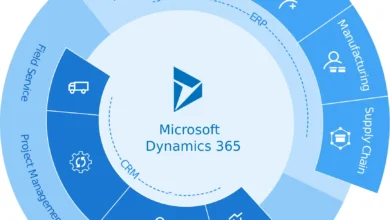
- Unified view of customer data: Integration of CRM with ERP systems provides a holistic view of customer information, including sales orders, invoices, and payment history, leading to better customer service.
- Improved sales forecasting: By combining CRM data with ERP data, sales teams can make more accurate forecasts based on historical sales data and customer trends.
- Streamlined business processes: Integration of CRM and ERP systems eliminates duplicate data entry and ensures consistency across departments, increasing operational efficiency.
Best practices for seamless integration of Sales CRM with different platforms
- Define clear objectives: Clearly outline your integration goals and ensure that all stakeholders are aligned on the expected outcomes.
- Choose the right integration tools: Select integration tools that are compatible with both your CRM and other systems to ensure smooth data transfer.
- Train your team: Provide adequate training to your team on how to use the integrated systems effectively to maximize the benefits of integration.
- Regularly monitor and optimize: Continuously monitor the integration process, identify any issues, and optimize the integration to improve performance over time.
Customization and Personalization in Sales CRM
Customizing and personalizing a Sales CRM system is crucial for businesses to meet their specific needs and enhance customer interactions. By tailoring the CRM to fit the unique requirements of the organization, companies can streamline processes, improve efficiency, and ultimately drive sales growth.
Importance of Customization in Sales CRM
Customization in Sales CRM allows businesses to adapt the system to their workflows, terminology, and data requirements. This ensures that the CRM aligns with the company’s objectives and enhances user adoption. Some strategies for effective customization include:
- Creating custom fields to capture unique data points relevant to the business.
- Configuring workflows to match specific sales processes and stages.
- Integrating with other business systems to ensure seamless data flow.
Personalization of Customer Interactions through CRM
Personalizing customer interactions through CRM involves using the data stored in the system to tailor communications and offerings to individual preferences. This can lead to increased customer satisfaction, loyalty, and ultimately, higher sales. Strategies for personalization include:
- Segmenting customers based on behavior, demographics, or purchase history.
- Sending personalized emails with relevant content and offers.
- Utilizing automation to deliver timely and targeted messages to customers.
Examples of Successful Customization and Personalization
Several companies have successfully leveraged customization and personalization in their Sales CRM systems to achieve remarkable results. For instance:
- Company A implemented custom dashboards to track key performance indicators specific to their industry, leading to a 20% increase in sales productivity.
- Company B personalized their email campaigns based on customer preferences, resulting in a 15% higher open rate and a 10% boost in conversion rates.
- Company C integrated their CRM with an AI-powered chatbot for personalized customer service, leading to a 30% reduction in response time and a 25% increase in customer satisfaction.
Data Security and Privacy in Sales CRM
Data security and privacy are crucial aspects when it comes to Sales CRM systems. Ensuring the protection of customer data is essential for maintaining trust and compliance with regulations.
Potential Security Risks
- Unauthorized access to sensitive customer information
- Data breaches leading to loss of confidential data
- Risks associated with third-party integrations
- Inadequate encryption measures
Compliance Requirements
- Compliance with GDPR, CCPA, and other data protection regulations
- Ensuring data is collected and processed lawfully and transparently
- Providing customers with control over their data and obtaining consent for its use
Tips for Ensuring Data Security and Privacy
- Implement strong encryption methods to protect data at rest and in transit
- Regularly update and patch CRM systems to address security vulnerabilities
- Restrict access to sensitive data based on roles and permissions
- Train employees on data security best practices to prevent human errors
- Conduct regular security audits and assessments to identify and mitigate risks
Sales CRM Best Practices
Implementing key best practices is essential for maximizing the benefits of Sales CRM. By following these strategies, you can improve sales team productivity and refine Sales CRM practices based on customer feedback.
Utilize Data Analytics for Informed Decision Making
One of the best practices for Sales CRM is to leverage data analytics to gain valuable insights into customer behavior, preferences, and trends. By analyzing data, sales teams can make informed decisions and tailor their strategies to meet the needs of customers effectively.
Provide Ongoing Training and Support
- Regular training sessions on CRM tools and techniques can help sales teams maximize the potential of Sales CRM systems.
- Offer continuous support to address any challenges or questions that arise during CRM implementation and usage.
- Encourage feedback from sales representatives to identify areas for improvement and additional training needs.
Focus on Customer Relationship Building
Building strong relationships with customers is crucial for successful sales. Sales CRM systems should be used to personalize interactions and tailor communication based on customer preferences and past interactions.
Implement Automation for Efficiency
- Automate repetitive tasks such as data entry, follow-up emails, and lead nurturing to save time and increase efficiency.
- Set up automated alerts and notifications to ensure timely follow-ups and responses to customer inquiries.
- Utilize workflow automation to streamline sales processes and eliminate manual errors.
Regularly Review and Update CRM Strategies
It’s important to regularly review CRM strategies and performance metrics to identify areas for improvement and adjust strategies accordingly. By monitoring key performance indicators (KPIs), sales teams can optimize their CRM practices for better results.
Future Trends in Sales CRM
The future of Sales CRM is continuously evolving with the integration of emerging technologies. One of the key trends shaping the future of Sales CRM is the increasing use of AI and machine learning algorithms to enhance sales processes and customer interactions. These technologies enable predictive analytics, personalized recommendations, and automation of routine tasks, leading to more efficient and effective sales operations.
Impact of AI and Machine Learning on Sales CRM
AI and machine learning are revolutionizing the way sales teams operate by providing valuable insights into customer behavior, preferences, and trends. These technologies can analyze vast amounts of data to identify patterns, predict outcomes, and recommend the best course of action for sales representatives. By leveraging AI and machine learning capabilities, Sales CRM systems can empower sales teams to make data-driven decisions, improve customer engagement, and drive revenue growth.
- AI-powered lead scoring: AI algorithms can analyze historical data to predict which leads are most likely to convert, helping sales teams prioritize their efforts and focus on high-potential prospects.
- Intelligent sales forecasting: Machine learning models can forecast sales trends, identify opportunities for upselling or cross-selling, and provide real-time insights to help sales managers make informed decisions.
- Automated customer interactions: Chatbots and virtual assistants powered by AI can engage with customers, answer their queries, and guide them through the sales process, enhancing the overall customer experience.
Predictions for the Evolution of Sales CRM Systems
In the coming years, Sales CRM systems are expected to become more intuitive, predictive, and integrated with other business applications. With the advancements in AI, machine learning, and automation technologies, Sales CRM platforms will likely offer more sophisticated features to streamline sales processes, improve customer relationships, and drive sales performance.
- Hyper-personalization: Sales CRM systems will leverage AI to deliver highly personalized experiences for customers, tailored to their preferences, behaviors, and needs.
- Enhanced automation: Automation tools will become more advanced, handling routine tasks, scheduling follow-ups, and providing real-time insights to sales representatives.
- Integration with IoT devices: Sales CRM systems may integrate with IoT devices to gather real-time data on customer interactions, product usage, and feedback, enabling more proactive sales strategies.
Final Summary
In conclusion, Sales CRM is not just a software but a strategic asset that can propel your sales team towards unprecedented success. Embrace the power of Sales CRM and watch your business thrive in the competitive market landscape.

Hi, I’m Lauren. As a digital enthusiast and storyteller, I love breaking down complex ideas into easy-to-read articles. My goal is to provide readers with fresh perspectives and helpful solutions through every piece I write.