Customer relationship management is a vital aspect of modern business practices, focusing on building and maintaining strong relationships with customers. In this introduction, we will explore the key components, benefits, and implementation strategies of CRM systems across various industries, shedding light on how businesses can leverage CRM to enhance customer satisfaction and drive growth.
We will delve into the importance of data management, personalization, automation, integration with other systems, and future trends in CRM, providing a comprehensive overview of this essential business tool.


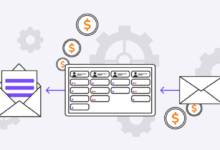



Definition of Customer Relationship Management
Customer Relationship Management (CRM) is a strategy used by businesses to manage interactions and relationships with current and potential customers. It involves analyzing customer data, tracking customer interactions, and improving customer satisfaction and loyalty.
CRM is essential in modern business practices as it helps companies understand their customers better, anticipate their needs, and provide personalized services. By maintaining strong relationships with customers, businesses can increase customer retention, acquire new customers through referrals, and ultimately drive revenue growth.
Examples of CRM Systems in Different Industries
- 1. Retail Industry: Retailers use CRM systems to track customers’ purchase histories, provide personalized recommendations, and send targeted marketing offers based on customer preferences.
- 2. Financial Services Industry: Banks and financial institutions use CRM systems to manage customer accounts, track financial transactions, and provide personalized financial advice.
- 3. Healthcare Industry: Healthcare providers use CRM systems to maintain patient records, schedule appointments, and send reminders for follow-up care.
- 4. Hospitality Industry: Hotels and resorts use CRM systems to personalize guest experiences, manage loyalty programs, and gather feedback to improve services.
Key Components of CRM
Customer Relationship Management (CRM) systems are essential tools for businesses to effectively manage interactions with their customers. These systems are equipped with key components that help organizations build and maintain strong relationships with their customer base.
Customer Data Collection and Storage
In a CRM system, customer data is collected from various sources such as interactions through emails, phone calls, social media, and website visits. This data is then stored in a centralized database where it can be accessed and utilized by different departments within the organization. By having a comprehensive view of customer data, businesses can personalize their interactions, anticipate needs, and provide better service.
Examples of CRM Tools
- Salesforce: One of the most popular CRM tools that offers a wide range of features for sales, marketing, and customer service teams.
- HubSpot CRM: A user-friendly CRM platform that helps businesses track interactions, manage leads, and automate tasks.
- Zoho CRM: An affordable CRM solution that provides tools for sales automation, marketing campaigns, and customer support.
- Microsoft Dynamics 365: A comprehensive CRM software that integrates with Microsoft Office and offers modules for sales, marketing, and customer service.
Benefits of Implementing CRM
Implementing a Customer Relationship Management (CRM) system can offer numerous advantages for businesses looking to improve their interactions with customers and boost overall performance. Let’s explore some of the key benefits below:
Enhanced Customer Satisfaction and Loyalty
- CRM allows businesses to gain a deeper understanding of their customers by centralizing customer data and interactions. This enables personalized communication and tailored offerings, leading to improved customer satisfaction.
- By providing better customer service through timely responses and targeted marketing campaigns, CRM helps in building stronger relationships with customers, ultimately enhancing loyalty and retention rates.
- With CRM, businesses can track customer preferences, purchase history, and feedback, allowing them to anticipate needs and provide proactive solutions, further solidifying customer loyalty.
Improved Sales and Marketing Strategies
- CRM systems provide valuable insights into customer behavior and preferences, enabling businesses to segment customers based on various criteria for targeted marketing campaigns and personalized offers.
- By analyzing customer data and interactions, CRM helps in identifying sales opportunities, optimizing lead management, and improving conversion rates through more effective sales strategies.
- CRM automates repetitive tasks, streamlines sales processes, and enhances collaboration among sales teams, leading to increased productivity and more efficient sales operations.
Types of CRM Systems
When it comes to Customer Relationship Management (CRM) systems, there are three main types that businesses can utilize: operational, analytical, and collaborative. Each type serves a specific purpose in managing and improving customer relationships.
Operational CRM
- Operational CRM focuses on streamlining and automating customer-facing processes such as sales, marketing, and customer service.
- It helps businesses to effectively manage customer interactions, track leads, and automate workflows.
- Examples of popular operational CRM software include Salesforce, HubSpot CRM, and Zoho CRM.
Analytical CRM
- Analytical CRM involves analyzing customer data and interactions to gain valuable insights into customer behavior and preferences.
- It helps businesses make data-driven decisions, identify trends, and personalize marketing strategies.
- Popular analytical CRM software includes Microsoft Dynamics 365, SAP CRM, and Oracle CRM.
Collaborative CRM
- Collaborative CRM focuses on facilitating communication and collaboration between different departments within an organization to provide a seamless customer experience.
- It enables teams to share customer information, coordinate efforts, and resolve issues efficiently.
- Examples of collaborative CRM software include SugarCRM, Nimble, and Pipedrive.
Cloud-based CRM Solutions
Cloud-based CRM solutions have gained popularity due to their flexibility, scalability, and accessibility. They offer features such as real-time data access, automatic updates, and integration with other business tools.
Many businesses opt for cloud-based CRM systems like Salesforce CRM, Zoho CRM, and Microsoft Dynamics 365 CRM for their ease of use and cost-effectiveness.
Customer Data Management in CRM
Customer data management plays a crucial role in Customer Relationship Management (CRM) systems as it involves collecting, organizing, and utilizing data to improve customer interactions and relationships.
Collection and Organization of Customer Data
Customer data is collected from various touchpoints such as interactions with the company’s website, social media platforms, emails, and customer service calls. This data is then organized in a central database within the CRM system, allowing for easy access and analysis.
- Ensure that data is collected ethically and with the customer’s consent to maintain trust.
- Utilize automated tools to streamline data collection processes and minimize human error.
- Regularly update and cleanse the data to ensure accuracy and relevance.
Importance of Data Accuracy and Security
Data accuracy is crucial in CRM databases as it ensures that marketing efforts, sales forecasts, and customer interactions are based on reliable information. Additionally, data security is paramount to protect sensitive customer information from breaches and unauthorized access.
“Data accuracy and security are the foundation of a successful CRM strategy.”
- Implement strict data validation processes to maintain accuracy and consistency.
- Utilize encryption and access controls to safeguard customer data from cyber threats.
- Regularly audit and monitor data access to identify and address potential security risks.
Best Practices for Maintaining and Updating Customer Information
Maintaining and updating customer information is essential for effective CRM strategies as it ensures that businesses have access to the most current and relevant data for personalizing customer interactions and predicting future needs.
- Encourage customers to update their information through user-friendly interfaces and incentives.
- Leverage automated data validation tools to correct errors and inconsistencies in real-time.
- Regularly review and update customer profiles based on interactions and purchase history.
CRM Implementation Strategies
Implementing a CRM system in a company requires careful planning, coordination, and execution to ensure successful adoption and integration. Let’s explore the steps involved, common challenges faced, and tips for a smooth implementation process.
Steps in Implementing a CRM System
- Define Objectives: Clearly outline the goals and objectives you aim to achieve with the CRM system.
- Choose the Right CRM Software: Select a CRM solution that aligns with your business needs and budget.
- Train Employees: Provide comprehensive training to ensure all team members can effectively use the CRM software.
- Data Migration: Transfer existing customer data accurately to the new CRM system.
- Customization: Customize the CRM software to fit your specific business processes and workflows.
- Testing: Conduct thorough testing to identify and resolve any issues before full implementation.
- Rollout and Adoption: Gradually introduce the CRM system to employees and encourage adoption through training and support.
- Monitoring and Evaluation: Continuously monitor and evaluate the CRM system’s performance to make necessary adjustments.
Common Challenges and Solutions
- Resistance to Change: Employees may resist adopting new technology. Address this by involving them in the decision-making process and highlighting the benefits of CRM.
- Data Quality Issues: Inaccurate or incomplete data can hinder CRM effectiveness. Implement data quality checks and provide training on data entry best practices.
- Lack of Executive Support: Without leadership buy-in, CRM implementation may face obstacles. Engage executives early on and demonstrate the value of CRM for the organization.
- Integration Challenges: Integrating CRM with existing systems can be complex. Work closely with IT teams and external vendors to ensure smooth integration.
Tips for Successful CRM Adoption
- Communicate Clearly: Keep all stakeholders informed throughout the implementation process to manage expectations and address concerns.
- Provide Ongoing Support: Offer continuous training and support to help employees navigate the CRM system effectively.
- Encourage User Feedback: Gather feedback from users to identify areas for improvement and enhance user experience.
- Monitor Performance Metrics: Track key performance indicators to measure the impact of CRM on business outcomes and make data-driven decisions.
CRM Metrics and KPIs
In customer relationship management (CRM), metrics and key performance indicators (KPIs) play a crucial role in evaluating the effectiveness of CRM initiatives. By tracking and analyzing specific metrics, businesses can measure their success in managing customer relationships and improving overall performance.
Customer Acquisition Cost (CAC) and Customer Lifetime Value (CLV)
- Customer Acquisition Cost (CAC) is calculated by dividing the total costs associated with acquiring customers by the number of customers acquired within a specific period. This metric helps businesses assess the efficiency of their marketing and sales efforts.
- Customer Lifetime Value (CLV) represents the total revenue generated from a customer throughout their relationship with the company. By calculating CLV, businesses can determine the long-term value of each customer and make informed decisions regarding customer retention and loyalty programs.
CRM Reports and Dashboards
- CRM reports provide detailed insights into customer interactions, sales performance, and marketing campaigns. These reports can include data on customer feedback, purchase history, and engagement metrics to help businesses identify trends and opportunities for improvement.
- CRM dashboards offer a visual representation of key CRM metrics and KPIs, allowing users to track performance in real-time. Dashboards typically display information such as customer satisfaction scores, conversion rates, and revenue forecasts, enabling businesses to make data-driven decisions and monitor ROI.
Personalization and Automation in CRM
Personalization and automation play crucial roles in customer relationship management (CRM) systems, enhancing customer experiences and driving engagement. By tailoring interactions to individual preferences and automating routine tasks, businesses can build stronger relationships with customers and improve overall satisfaction.
Role of Personalization in CRM
Personalization in CRM involves customizing communication, products, and services based on customer data and preferences. This tailored approach allows businesses to deliver relevant content, offers, and recommendations to customers, ultimately increasing engagement and loyalty. By understanding customer needs and behaviors, companies can create personalized experiences that resonate with their target audience.
- Customizing product recommendations based on past purchases and browsing history
- Addressing customers by their name in communications
- Sending personalized offers and discounts tailored to individual preferences
Integration of Automation Tools in CRM Systems
Automation tools like chatbots and email workflows are seamlessly integrated into CRM systems to streamline processes and improve efficiency. Chatbots can provide instant support to customers, answer common queries, and guide them through the sales funnel. Email workflows automate personalized communication, sending targeted messages at the right time to nurture leads and strengthen relationships.
- Automating follow-up emails after a customer makes a purchase
- Using chatbots to assist customers in real-time on websites or social media platforms
- Automating appointment reminders and notifications to enhance customer engagement
Successful Personalized Marketing Campaigns Driven by CRM Data
CRM data empowers businesses to run successful personalized marketing campaigns that resonate with their target audience. By leveraging customer insights and segmentation, companies can deliver highly targeted messages and offers that drive conversions and build brand loyalty. Examples of successful personalized marketing campaigns include:
- A personalized email campaign offering exclusive discounts to loyal customers
- A targeted social media ad campaign based on customer demographics and interests
- A personalized product recommendation campaign that increases cross-selling opportunities
CRM Integration with Other Systems
Integrating Customer Relationship Management (CRM) with other business systems such as Enterprise Resource Planning (ERP) and marketing automation tools is crucial for optimizing operations and enhancing overall business performance.
Benefits of Integration
- Seamless Data Flow: Integration ensures smooth and real-time data transfer between CRM and other software applications, eliminating data silos and enhancing data accuracy.
- Enhanced Decision-Making: By consolidating data from various systems, businesses can gain a comprehensive view of customer interactions, enabling informed decision-making.
- Improved Customer Experience: Integrating CRM with systems like marketing automation allows for personalized and targeted customer interactions, leading to enhanced customer satisfaction.
Examples of Enhanced Collaboration
- Sales and Marketing Alignment: Integration between CRM and marketing automation systems enables seamless lead management, ensuring a coordinated approach to engaging prospects.
- Customer Service Efficiency: Integrating CRM with ERP systems can provide customer service teams with access to real-time order and inventory information, improving service efficiency.
- Financial Insights: Integration with accounting systems allows for a holistic view of customer transactions, enabling better financial forecasting and customer credit management.
Future Trends in CRM
Customer Relationship Management (CRM) is constantly evolving, and businesses need to stay ahead of the curve to meet changing customer expectations. Let’s explore some of the upcoming trends and innovations in the field of CRM.
Impact of AI, Machine Learning, and Big Data
AI, machine learning, and big data are revolutionizing the way companies interact with their customers. By leveraging these technologies, businesses can gain valuable insights into customer behavior, preferences, and trends. AI-powered chatbots and virtual assistants are becoming increasingly popular for providing personalized customer support and enhancing the overall customer experience.
Adapting to Evolving Customer Expectations
As customer expectations continue to evolve, businesses must adapt by embracing advanced CRM technologies. Personalization and automation play a key role in meeting the demands of today’s customers. By utilizing data analytics and predictive modeling, companies can anticipate customer needs and deliver tailored solutions in real-time.
Conclusion
In conclusion, customer relationship management plays a crucial role in fostering customer loyalty, improving sales and marketing strategies, and driving business success. By implementing effective CRM practices, businesses can create personalized experiences, streamline operations, and adapt to evolving customer expectations in an increasingly digital landscape.

Hi, I’m Lauren. As a digital enthusiast and storyteller, I love breaking down complex ideas into easy-to-read articles. My goal is to provide readers with fresh perspectives and helpful solutions through every piece I write.