Pipeline CRM, a powerful tool for enhancing business processes, offers a streamlined approach to managing sales pipelines effectively. Dive into the world of CRM systems and discover how they revolutionize various industries.
Introduction to Pipeline CRM
Pipeline CRM, or Customer Relationship Management, is a software system that helps businesses manage their interactions with current and potential customers. It is designed to streamline processes, improve customer satisfaction, and drive sales growth.


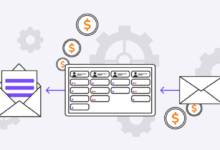


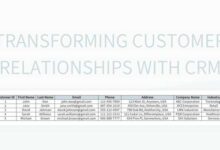
Pipeline CRM offers various benefits to businesses, such as centralizing customer data, automating tasks, tracking sales opportunities, and analyzing customer behavior. By implementing a CRM system like Pipeline CRM, companies can enhance their customer relationships, increase efficiency, and boost revenue.
Industries Using Pipeline CRM
- Retail: Retail businesses use Pipeline CRM to track customer preferences, manage inventory, and personalize marketing campaigns.
- Real Estate: Real estate agencies utilize Pipeline CRM to manage property listings, track leads, and nurture client relationships.
- Finance: Financial institutions leverage Pipeline CRM to monitor client portfolios, streamline communication, and improve customer retention.
Key Features of Pipeline CRM
Pipeline CRM systems offer a wide range of features to help businesses effectively manage their sales pipelines and improve overall efficiency. Below are some essential features commonly found in Pipeline CRM tools:
1. Contact Management:
Pipeline CRM systems allow users to store and manage contact information, including emails, phone numbers, and notes. This feature helps sales teams keep track of interactions with leads and customers.
2. Sales Pipeline Tracking:
Users can visualize and track their sales pipeline stages, from lead generation to conversion. This feature provides a clear overview of the sales process and helps identify bottlenecks or opportunities for improvement.
3. Task Management:
Pipeline CRM tools often include task management features that enable users to create, assign, and track tasks related to sales activities. This helps sales teams stay organized and ensure timely follow-ups with leads.
4. Reporting and Analytics:
CRM systems offer reporting and analytics capabilities to track sales performance, monitor key metrics, and generate insights for strategic decision-making. This feature helps businesses optimize their sales processes and forecast future revenue.
5. Integration Capabilities:
Many Pipeline CRM tools integrate with other business applications, such as email marketing platforms, accounting software, and customer support tools. This seamless integration streamlines workflows and enhances overall productivity.
6. Mobile Accessibility:
Modern CRM systems often come with mobile apps or responsive web interfaces, allowing users to access important sales data on the go. This feature enables sales teams to stay connected and responsive, even when away from the office.
7. Customization Options:
CRM systems offer customization options to tailor the software to specific business needs. Users can customize fields, workflows, and reports to align with their unique sales processes and requirements.
These key features make Pipeline CRM systems indispensable tools for managing sales pipelines effectively and driving business growth.
Implementation of Pipeline CRM
Implementing a Pipeline CRM system in a company is a crucial step towards enhancing customer relationship management and improving sales processes. It requires careful planning and execution to ensure a smooth transition and successful adoption by the team.
Steps for Implementing Pipeline CRM
- Assess Your Current Processes: Evaluate your current sales and customer management processes to identify areas that can be improved with a CRM system.
- Set Clear Objectives: Define specific goals and objectives you want to achieve with the implementation of Pipeline CRM.
- Select the Right CRM Solution: Choose a CRM system that aligns with your business needs and offers the features you require.
- Customize for Your Business: Customize the CRM solution to match your unique sales processes and workflows.
- Train Your Team: Provide comprehensive training to your team members on how to use the CRM system effectively.
- Data Migration: Ensure a smooth transfer of data from your existing systems to the new CRM platform.
- Monitor and Adjust: Continuously monitor the performance of the CRM system and make adjustments as needed to optimize its usage.
Best Practices for Setting Up and Customizing Pipeline CRM
- Involve Stakeholders: Consult with key stakeholders in your organization to gather input and ensure the CRM system meets their needs.
- Start Small: Begin with basic features and gradually introduce more advanced functionalities to prevent overwhelming your team.
- Focus on User Experience: Design the CRM interface to be user-friendly and intuitive to encourage adoption among team members.
- Automation and Integration: Utilize automation features and integrate the CRM system with other tools to streamline processes and improve efficiency.
- Data Security: Implement robust security measures to protect sensitive customer data stored in the CRM system.
Tips for Ensuring a Smooth Transition to Using Pipeline CRM
- Communicate Effectively: Keep your team informed about the upcoming changes and provide regular updates throughout the implementation process.
- Offer Ongoing Support: Provide continuous support and training to address any issues or questions that arise during the transition period.
- Celebrate Successes: Acknowledge and celebrate milestones achieved through the use of the CRM system to motivate and engage your team.
- Collect Feedback: Gather feedback from users to identify areas for improvement and make necessary adjustments to enhance user experience.
Integrations with Pipeline CRM
Integrating other tools with Pipeline CRM can enhance its functionality and streamline business processes. By connecting various software solutions, businesses can achieve a more comprehensive view of their customer interactions and improve overall efficiency.
Common Integrations with Pipeline CRM
- Mailchimp: Integration with Pipeline CRM allows for seamless email marketing campaigns and tracking of customer engagement.
- Zendesk: Connecting Zendesk with Pipeline CRM enables better customer support and ticket management.
- QuickBooks: Integration with QuickBooks helps in managing finances and tracking sales data more efficiently.
Importance of Integrating Other Tools with Pipeline CRM
Integrating other tools with Pipeline CRM is crucial for creating a connected ecosystem that centralizes data and automates processes. This leads to improved collaboration, data accuracy, and overall business performance.
Examples of Popular Software that can be Integrated with Pipeline CRM
- HubSpot: Integrating HubSpot with Pipeline CRM enhances lead generation and marketing automation capabilities.
- Xero: Connecting Xero with Pipeline CRM simplifies accounting processes and provides a holistic view of financial data.
- Slack: Integration with Slack improves communication and collaboration among team members, enhancing productivity.
Data Management in Pipeline CRM
Data management in Pipeline CRM is a crucial aspect of maintaining a streamlined and efficient system. It involves the storage, organization, and management of data within the CRM platform. Clean and accurate data is essential for making informed decisions and driving business growth.
Data Storage and Organization
In Pipeline CRM, data is typically stored in a centralized database that allows for easy access and retrieval. The system organizes data based on predefined categories such as leads, contacts, accounts, and opportunities. Users can customize fields and tags to further categorize and segment data according to their specific needs.
Maintaining Clean and Accurate Data
To ensure data integrity, it is essential to establish data quality standards and regular data cleansing processes. This involves regularly updating and validating data, removing duplicates, and correcting any inaccuracies. Automation tools can help streamline these processes and maintain data accuracy over time.
Role of Data Analytics and Reporting
Data analytics and reporting play a crucial role in Pipeline CRM for decision-making and performance tracking. By analyzing data trends, sales teams can identify opportunities, forecast sales projections, and optimize their strategies. Reporting features provide insights into key metrics, KPIs, and overall performance, enabling stakeholders to make data-driven decisions.
User Training and Support for Pipeline CRM
Training and support are crucial aspects of successfully implementing Pipeline CRM within an organization. Providing adequate training ensures that users understand how to utilize the system effectively, leading to increased productivity and efficiency.
Tips for User Adoption and Engagement
- Develop a comprehensive training program that covers all the key features of Pipeline CRM.
- Offer hands-on training sessions to allow users to practice using the system in a controlled environment.
- Provide ongoing support and resources, such as user manuals and FAQs, to help users troubleshoot issues on their own.
- Encourage feedback from users to identify any challenges or areas for improvement in the training process.
- Celebrate small wins and milestones to keep users motivated and engaged with the system.
Role of Ongoing Support and Troubleshooting
- Assign dedicated support staff to assist users with any questions or issues that arise during their use of Pipeline CRM.
- Offer regular training sessions or refresher courses to keep users up-to-date on new features and best practices.
- Establish a help desk or support ticket system for users to report issues and receive timely assistance.
- Provide access to an online knowledge base or community forum where users can find answers to common questions and share tips with each other.
- Monitor user activity and system performance to proactively identify and address any potential issues before they impact user experience.
Mobile Accessibility of Pipeline CRM
Mobile accessibility of Pipeline CRM is crucial in today’s fast-paced business environment where users need to access and manage their customer data on the go. Having the ability to use CRM software on mobile devices enables users to stay connected, productive, and responsive at all times.
Mobile applications enhance productivity for users by providing them with the flexibility to work from anywhere, at any time. This means that sales representatives can update customer information, track deals, and communicate with clients even when they are out of the office. This leads to improved efficiency, faster decision-making, and better customer service.
Features for Mobile CRM Environment
- Real-time access to customer data: Users can quickly view and update customer information, ensuring that they always have the latest details at their fingertips.
- Location-based services: Mobile CRM applications can utilize GPS to provide users with location-specific information, such as nearby leads or opportunities.
- Offline access: Users can access and work on CRM data even when they are in areas with limited or no internet connectivity, ensuring continuous productivity.
- Push notifications: Users can receive instant alerts for important tasks, meetings, or updates, keeping them informed and on top of their responsibilities.
- Mobile-friendly interface: CRM applications are designed to be user-friendly on mobile devices, with intuitive layouts and easy navigation for a seamless user experience.
Security Measures in Pipeline CRM
When it comes to security measures in Pipeline CRM, the system employs robust protocols to ensure the safety and confidentiality of your data. Let’s delve into the specific measures in place to safeguard your information.
Data Encryption
In Pipeline CRM, all data is encrypted both in transit and at rest. This means that your information is secure during transfer between servers and when stored in the system. Encryption helps prevent unauthorized access and protects sensitive data from being compromised.
Role-based Access Control
Another key security feature of Pipeline CRM is the implementation of role-based access control. This means that users are only granted access to the information and functionalities relevant to their role within the organization. By limiting access based on roles, the system minimizes the risk of data breaches.
Regular Security Audits
Pipeline CRM undergoes regular security audits to identify and address any vulnerabilities in the system. By conducting these audits, the platform ensures that security measures are up to date and effective in protecting your data. This proactive approach to security helps maintain the integrity of the CRM platform.
Two-factor Authentication
To enhance security further, Pipeline CRM offers two-factor authentication for user accounts. This additional layer of security requires users to verify their identity through a second form of authentication, such as a code sent to their mobile device. Two-factor authentication adds an extra level of protection against unauthorized access.
Data Backup and Recovery
In the event of data loss or system failure, Pipeline CRM has robust data backup and recovery mechanisms in place. Regular backups are performed to ensure that your data is safe and can be restored if needed. This ensures business continuity and minimizes the risk of data loss.
Customization Options in Pipeline CRM
Customization plays a crucial role in ensuring that a CRM system meets the specific needs and requirements of a business. By tailoring the CRM to align with unique business processes, organizations can enhance efficiency, improve user adoption, and drive better outcomes.
Custom Fields and Layouts
- One of the key customization options in Pipeline CRM is the ability to create custom fields to capture unique data points specific to your business.
- Users can also customize the layout of their CRM interface by rearranging fields, sections, and tabs to better suit their workflow.
- Custom fields and layouts enable organizations to track and manage information in a way that aligns with their business processes and reporting requirements.
Workflow Automation
- Popular Pipeline CRM tools offer workflow automation capabilities that allow users to create custom workflows to automate repetitive tasks and streamline processes.
- By customizing workflows, businesses can ensure that leads are nurtured effectively, tasks are assigned promptly, and follow-ups are scheduled automatically.
- Workflow automation not only saves time but also helps in maintaining consistency and improving the overall customer experience.
Integration with Third-Party Apps
- Another customization option in Pipeline CRM is the ability to integrate with third-party apps and tools that are essential to your business operations.
- Integrations with tools like marketing automation platforms, accounting software, or customer service applications can provide a seamless experience and improve data synchronization across systems.
- Custom integrations enable organizations to build a unified ecosystem that enhances productivity and collaboration.
Scalability of Pipeline CRM
When it comes to the scalability of Pipeline CRM, it is crucial to understand how this system can adapt and grow along with the business. As companies expand and evolve, their CRM needs to be able to accommodate these changes and continue to provide efficient and effective services.
Challenges and Considerations
Scaling up a CRM system like Pipeline CRM can pose several challenges and considerations that need to be carefully addressed. Some of the key factors to keep in mind include:
- The volume of data: As the business grows, the amount of data being handled by the CRM system also increases. This can lead to performance issues if the system is not equipped to manage large volumes of data efficiently.
- User adoption: With growth comes the need to onboard more users onto the CRM system. Ensuring that these users are properly trained and onboarded is essential to the successful scaling of the CRM solution.
- Integration with other systems: As the business expands, there may be a need to integrate the CRM system with other tools and platforms. Ensuring seamless integration is vital for maintaining a scalable CRM solution.
Strategies for Scalability
To ensure that a Pipeline CRM solution remains scalable over time, there are several strategies that can be implemented:
- Flexible architecture: Opt for a CRM system with a flexible architecture that can easily adapt to changing business needs and accommodate growth without major disruptions.
- Regular updates and maintenance: Keep the CRM system up to date with regular updates and maintenance to ensure optimal performance and scalability.
- Scalability testing: Conduct scalability testing regularly to identify any potential bottlenecks or performance issues before they impact the system’s ability to scale.
Pricing Models for Pipeline CRM
When it comes to choosing a Pipeline CRM system, understanding the pricing models offered by different vendors is crucial. The cost of implementing a CRM system can vary based on various factors, so it’s essential to select a cost-effective solution that aligns with your business requirements. Below, we will discuss the different pricing models, factors influencing costs, and tips for choosing the right Pipeline CRM solution.
Different Pricing Models
- Subscription-based: This model involves paying a monthly or annual fee for using the CRM software. The cost may vary based on the number of users or features included in the subscription.
- Perpetual License: In this model, businesses pay a one-time fee to purchase the CRM software and can use it indefinitely. However, additional costs may be incurred for updates and support.
- Usage-based: Some vendors offer a pay-as-you-go model where businesses are charged based on the usage or number of transactions processed through the CRM system.
Factors Influencing Costs
- Number of Users: The more users you have, the higher the cost of the CRM system.
- Features and Customization: Additional features and customization requirements can increase the overall cost of implementation.
- Integration Complexity: Integrating the CRM system with other business applications may require additional resources and incur extra costs.
- Training and Support: Costs associated with user training, ongoing support, and maintenance should be considered when budgeting for a CRM system.
Tips for Selecting a Cost-Effective Solution
- Assess Your Business Needs: Identify the key features and functionalities your business requires to avoid paying for unnecessary features.
- Compare Pricing: Request quotes from multiple vendors and compare the pricing models, considering both short-term and long-term costs.
- Scalability: Choose a CRM solution that can scale with your business growth without incurring significant additional costs.
- Negotiate: Don’t hesitate to negotiate pricing with vendors, especially if you are committing to a long-term contract.
Outcome Summary
In conclusion, Pipeline CRM stands as a cornerstone in modern business operations, providing a scalable, customizable, and secure solution for companies looking to optimize their sales processes. Embrace the power of CRM and witness your business flourish with efficiency.

Hi, I’m Lauren. As a digital enthusiast and storyteller, I love breaking down complex ideas into easy-to-read articles. My goal is to provide readers with fresh perspectives and helpful solutions through every piece I write.