CRM tools set the stage for this enthralling narrative, offering readers a glimpse into a story that is rich in detail and brimming with originality. In today’s competitive business landscape, the use of CRM tools has become imperative for organizations seeking to streamline operations and foster lasting customer relationships.
As we delve into the world of CRM tools, we uncover a realm of possibilities that can revolutionize how businesses interact with their clientele, drive sales, and boost overall productivity. From the importance of CRM tools to their impact on sales and marketing strategies, this discussion will explore various facets of CRM tools that are essential for modern businesses.




Importance of CRM Tools
CRM (Customer Relationship Management) tools play a crucial role in the success of businesses by helping them better understand, manage, and enhance their relationships with customers.
Key Benefits of CRM Tools
- Improved Customer Relationships: CRM tools provide a centralized platform to store and analyze customer data, allowing businesses to personalize interactions and offer tailored solutions.
- Enhanced Customer Retention: By tracking customer interactions and preferences, CRM tools help businesses anticipate needs, resolve issues promptly, and ultimately increase customer loyalty.
- Increased Efficiency: Automating tasks such as lead management, email marketing, and customer support streamline processes, saving time and resources.
- Better Decision-Making: Access to real-time data and analytics enables businesses to make informed decisions, identify trends, and forecast future sales opportunities.
- Scalability and Growth: As businesses expand, CRM tools can adapt to changing needs, supporting growth and ensuring consistent customer service.
CRM Tools for Customer Retention and Relationship Management
CRM tools are essential for nurturing long-term relationships with customers and fostering loyalty. By maintaining detailed customer profiles, tracking interactions, and providing personalized communication, businesses can create a positive customer experience and increase customer lifetime value.
Types of CRM Tools
CRM tools come in various categories to cater to different business needs and preferences. Two main types are cloud-based CRM tools and on-premise CRM solutions.
Cloud-based CRM Tools
Cloud-based CRM tools are hosted on the vendor’s servers and accessed through a web browser. They offer flexibility, scalability, and are usually more cost-effective than on-premise solutions. Popular examples include Salesforce, HubSpot, and Zoho CRM. These tools allow for easy customization, real-time updates, and seamless integration with other software applications.
On-premise CRM Solutions
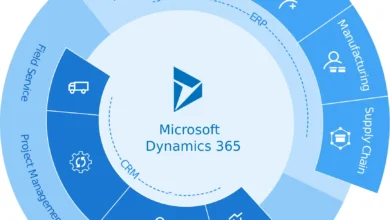
On-premise CRM solutions involve installing and maintaining the software on the company’s own servers and infrastructure. While they offer greater control and security, they require a higher initial investment and ongoing maintenance costs. Examples of on-premise CRM tools include Microsoft Dynamics CRM and SAP CRM. These tools are preferred by businesses with strict data security requirements or specific customization needs.
Hybrid CRM Tools
Hybrid CRM tools combine features of both cloud-based and on-premise solutions to provide a more flexible approach. This type of CRM tool allows businesses to keep critical data on-premise while utilizing cloud-based features for scalability and accessibility. Examples of hybrid CRM tools include SugarCRM and Pipedrive.
Overall, the choice between different types of CRM tools depends on factors such as budget, customization needs, security requirements, and scalability. It’s essential for businesses to evaluate their specific needs and goals to select the most suitable CRM tool for their operations.
Features to Look for in CRM Tools
When choosing CRM tools for your business, it is important to consider various features that can make a significant impact on your operations and customer relationships. Here are some essential features to look for in CRM tools:
Customization and Scalability
Customization and scalability are crucial features to consider in CRM tools. A customizable CRM tool allows you to tailor the system to meet your specific business needs, workflows, and processes. This ensures that the tool aligns perfectly with your unique requirements, leading to increased efficiency and productivity. Scalability is also important as it enables the CRM tool to grow with your business, accommodating changes in size and complexity over time.
Integrations with Other Business Software
The ability of CRM tools to integrate with other business software is another key feature to look for. Seamless integration with tools like email marketing platforms, accounting software, and e-commerce platforms can streamline processes, eliminate data silos, and provide a holistic view of customer interactions. This integration enables data sharing across different systems, improving communication within the organization and enhancing customer experiences.
Implementation of CRM Tools
Implementing CRM tools in an organization involves several key steps to ensure successful deployment and adoption. By following best practices and being aware of common challenges, businesses can maximize the benefits of CRM tools.
Steps in Implementing CRM Tools
- Define Objectives: Clearly outline the goals and objectives of implementing CRM tools to align with business needs.
- Choose the Right CRM Tool: Select a CRM solution that fits the organization’s requirements and can scale as the business grows.
- Customize and Configure: Tailor the CRM tool to match specific processes and workflows within the organization.
- Training and Onboarding: Provide comprehensive training to employees to ensure proper usage and adoption of the CRM tool.
- Data Migration: Transfer existing customer data accurately to the new CRM system for seamless operations.
- Testing and Evaluation: Conduct thorough testing to identify any issues and make necessary adjustments before full deployment.
- Continuous Improvement: Regularly review and optimize the CRM tool to meet evolving business needs and customer expectations.
Best Practices for Successful Deployment and Adoption
- Gain Executive Support: Secure buy-in from top management to prioritize and drive CRM tool implementation.
- Involve Key Stakeholders: Include end-users and department heads in the decision-making process to ensure alignment with organizational goals.
- Communicate Effectively: Keep employees informed about the benefits of CRM tools and provide ongoing support and training.
- Monitor Progress: Track key performance indicators to measure the impact of CRM tools on business outcomes and customer satisfaction.
- Celebrate Successes: Acknowledge achievements and milestones in CRM tool implementation to motivate employees and reinforce positive behavior.
Common Challenges and How to Overcome Them
- Resistance to Change: Address concerns and provide clear communication on the benefits of CRM tools to alleviate fears and promote acceptance.
- Poor Data Quality: Implement data hygiene practices and regular maintenance to ensure accurate and reliable information within the CRM system.
- Lack of User Adoption: Offer continuous training, support, and incentives to encourage employees to actively use and leverage the CRM tool in their daily tasks.
- Integration Issues: Work closely with IT teams and vendors to seamlessly integrate the CRM tool with existing systems and applications for smooth operations.
- Overcoming these challenges requires a proactive approach, effective communication, and a commitment to ongoing improvement to maximize the value of CRM tools in the organization.
CRM Tools for Small Businesses
Small businesses can greatly benefit from using CRM tools to manage their customer relationships effectively. By utilizing specific CRM tools designed for small businesses, owners can streamline processes, improve customer interactions, and ultimately drive growth.
Best CRM Tools for Small Businesses
When selecting a CRM tool for your small business, it’s important to consider the specific needs and goals of your company. Here are some top CRM tools tailored for small businesses:
- HubSpot CRM
- Zoho CRM
- Insightly
- Pipedrive
Benefits of CRM Tools for Small Businesses
CRM tools can help small businesses improve customer relationships by:
- Centralizing customer data for easy access
- Automating repetitive tasks to save time
- Providing insights into customer behavior and preferences
- Enhancing communication with customers through personalized interactions
Tips for Choosing the Right CRM Tool
When choosing a CRM tool for your small business, consider the following tips:
- Identify your specific business needs and goals
- Look for user-friendly interfaces and easy integration with existing systems
- Consider scalability and flexibility for future growth
- Check for pricing plans that fit your budget
- Read reviews and get recommendations from other small business owners
Impact of CRM Tools on Sales and Marketing
CRM tools play a vital role in enhancing sales and marketing strategies for businesses of all sizes. By effectively managing customer relationships, these tools help organizations optimize their lead management processes and improve conversion rates. Let’s delve deeper into how CRM tools impact sales and marketing efforts.
Enhancing Sales and Marketing Strategies
- CRM tools provide valuable insights into customer behavior and preferences, allowing businesses to tailor their sales and marketing campaigns accordingly.
- By centralizing customer data, CRM tools enable sales and marketing teams to collaborate more effectively and align their efforts towards common goals.
- Automation features in CRM tools streamline repetitive tasks, freeing up time for sales and marketing professionals to focus on building relationships and closing deals.
Role of CRM Tools in Lead Management and Conversion Optimization
- CRM tools help businesses track leads throughout the sales pipeline, ensuring that no potential opportunity falls through the cracks.
- Through lead scoring and prioritization features, CRM tools assist in identifying high-quality leads and allocating resources efficiently for maximum conversion rates.
- Personalized communication facilitated by CRM tools fosters stronger relationships with leads, increasing the likelihood of successful conversions.
Success Stories of Companies Benefiting from CRM Tools
Company X saw a 30% increase in sales revenue within the first year of implementing a CRM tool, attributed to better lead management and targeted marketing campaigns.
Company Y reported a 25% improvement in customer retention rates after integrating CRM tools into their sales and marketing processes, resulting in higher lifetime customer value.
Company Z streamlined its sales operations and achieved a 20% reduction in the sales cycle duration by leveraging CRM tools for efficient lead tracking and follow-up.
Data Security and Privacy in CRM Tools
Ensuring data security and privacy in CRM tools is crucial for businesses to protect sensitive customer information and maintain trust. Here, we will explore the measures taken by CRM tool providers and provide tips for businesses to enhance data security.
Measures for Data Security in CRM Tools
- Encryption: CRM tool providers often use encryption techniques to secure data transmission and storage, ensuring that unauthorized parties cannot access sensitive information.
- Access Control: Implementing strict access controls helps restrict data access to authorized personnel only, reducing the risk of data breaches.
- Regular Audits: Conducting regular security audits and assessments can help identify vulnerabilities and ensure compliance with data protection regulations.
- Data Backup: Regularly backing up data in CRM tools can protect against data loss due to cyberattacks or system failures.
Tips for Ensuring Data Security in CRM Tools
- Strong Password Policies: Enforcing strong password policies and implementing multi-factor authentication can add an extra layer of security to CRM tools.
- Employee Training: Providing comprehensive training to employees on data security best practices can help prevent internal security breaches.
- Update Software: Keeping CRM tools and related software up to date with the latest security patches can help address known vulnerabilities.
- Data Minimization: Only collecting and storing necessary customer data can reduce the risk of exposure in case of a security breach.
CRM Tools Integration with AI and Automation
AI and automation have revolutionized the way CRM tools operate, providing businesses with advanced capabilities to streamline processes, improve customer interactions, and boost overall efficiency.
AI-Powered Features in CRM Tools
AI-powered features in CRM tools have significantly enhanced their functionality, allowing businesses to leverage data-driven insights and automation to optimize customer relationships. Some examples of AI-driven capabilities in modern CRM tools include:
- Lead Scoring and Prioritization: AI algorithms can analyze customer behavior and interactions to score leads based on their likelihood to convert, helping sales teams focus on high-potential leads.
- Personalized Recommendations: AI can analyze customer data to provide personalized product recommendations, improving cross-selling and upselling opportunities.
- Sentiment Analysis: AI-powered sentiment analysis tools can evaluate customer sentiment from interactions such as emails, chats, and social media, enabling businesses to respond effectively to customer needs and concerns.
- Automated Workflows: AI-driven automation can streamline repetitive tasks, such as sending follow-up emails, scheduling appointments, and updating customer records, freeing up time for sales and support teams to focus on more strategic activities.
Customization and Personalization in CRM Tools
Customization and personalization play a crucial role in CRM tools, allowing businesses to tailor their customer relationship management strategies to meet specific needs and preferences. By customizing CRM tools, companies can create a more personalized experience for their customers, ultimately leading to increased customer satisfaction and loyalty.
Tailoring CRM Tools to Meet Specific Needs
- Businesses can customize CRM tools by setting up unique fields to capture specific customer data relevant to their industry or product offerings.
- Customizing workflows and automation processes within CRM tools can help streamline operations and ensure efficient customer interactions.
- Personalizing email templates and communication messages based on customer preferences and behaviors can enhance engagement and drive conversions.
Achieving Personalized Customer Interactions
- Using CRM tools to track customer interactions and purchase history enables businesses to offer personalized product recommendations and promotions.
- Segmenting customers based on demographics, behaviors, or preferences allows for targeted marketing campaigns and personalized communication strategies.
- Implementing AI and machine learning algorithms in CRM tools can further enhance personalization by predicting customer needs and behaviors.
Future Trends in CRM Tools
As technology continues to advance at a rapid pace, the future of CRM tools holds exciting possibilities that will shape the industry and redefine how businesses engage with their customers. Emerging technologies are expected to play a significant role in enhancing the capabilities of CRM tools, while changing customer expectations will drive the evolution of these tools to meet the needs of the modern consumer.
Artificial Intelligence and Machine Learning Integration
With the rise of artificial intelligence (AI) and machine learning, CRM tools are expected to become more intelligent and predictive. By analyzing vast amounts of data, AI-powered CRM tools can provide valuable insights into customer behavior, preferences, and trends. This will enable businesses to personalize their interactions with customers, anticipate their needs, and deliver a more tailored experience.
Omni-Channel Integration
In the future, CRM tools are likely to integrate seamlessly across various channels, allowing businesses to engage with customers wherever they are. Whether it’s through social media, email, phone calls, or in-person interactions, omni-channel CRM tools will enable businesses to provide a consistent and cohesive experience across all touchpoints. This will help build stronger relationships with customers and enhance overall customer satisfaction.
Blockchain Technology for Data Security
As data security and privacy become increasingly important, CRM tools are expected to leverage blockchain technology to ensure the integrity and security of customer data. Blockchain offers a decentralized and tamper-proof system for storing sensitive information, protecting it from unauthorized access or breaches. By implementing blockchain technology, businesses can enhance trust and transparency in their customer relationships.
Augmented Reality for Enhanced Customer Engagement
The integration of augmented reality (AR) into CRM tools has the potential to revolutionize how businesses interact with their customers. AR technology can create immersive and interactive experiences, allowing customers to visualize products or services in real-time. By incorporating AR capabilities into CRM tools, businesses can enhance customer engagement, drive sales, and differentiate themselves in a competitive market.
Conclusive Thoughts
In conclusion, CRM tools serve as a vital cog in the machinery of successful business operations, offering a plethora of benefits ranging from improved customer retention to streamlined marketing efforts. As technology continues to evolve, the integration of AI and automation in CRM tools is expected to further enhance their capabilities, ensuring businesses stay ahead of the curve in an increasingly digital world.

Hi, I’m Lauren. As a digital enthusiast and storyteller, I love breaking down complex ideas into easy-to-read articles. My goal is to provide readers with fresh perspectives and helpful solutions through every piece I write.