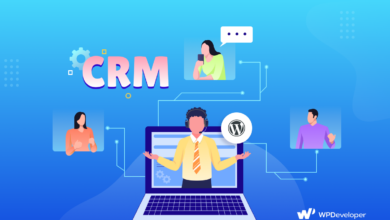
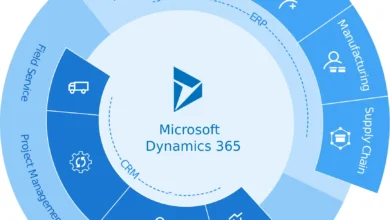
CRM platforms set the stage for this enthralling narrative, offering readers a glimpse into a story that is rich in detail and brimming with originality from the outset. In today’s digital age, businesses are constantly seeking ways to streamline their operations and enhance customer relationships. CRM platforms play a vital role in achieving these objectives by providing a centralized hub for managing customer data, automating processes, and driving business growth. Let’s delve deeper into the world of CRM platforms and discover how they can revolutionize the way businesses interact with their customers.
Overview of CRM Platforms
Customer Relationship Management (CRM) platforms are software solutions designed to help businesses manage interactions with current and potential customers. The primary purpose of CRM platforms is to streamline processes, improve customer relationships, and drive sales growth.




Key Features of CRM Platforms
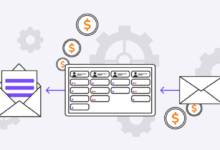
CRM platforms typically offer a range of key features that assist businesses in organizing customer data, tracking interactions, and automating tasks. Some common features found in CRM platforms include:
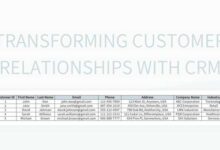
- Customer Data Management: Centralized database for storing customer information.
- Lead Management: Tracking and managing potential leads through the sales pipeline.
- Sales Automation: Automating repetitive sales tasks such as email campaigns and follow-ups.
- Reporting and Analytics: Providing insights into sales performance and customer behavior.
- Integration Capabilities: Connecting with other business applications for seamless data flow.
Benefits of Using CRM Platforms
Businesses use CRM platforms to improve efficiency, enhance customer satisfaction, and drive revenue growth. Some of the key benefits of using CRM platforms include:
- Improved Customer Relationships: Better understanding of customer needs and preferences.
- Increased Sales Productivity: Automation of manual tasks frees up time for sales teams.
- Enhanced Data Security: Centralized data storage with secure access controls.
- Streamlined Communication: Facilitates better collaboration among team members.
- Enhanced Customer Service: Quick access to customer information for personalized service.
Types of CRM Platforms
CRM platforms come in different forms to cater to the diverse needs of businesses. The two main types are on-premise CRM platforms and cloud-based CRM platforms.
On-Premise CRM Platforms
On-premise CRM platforms are installed and operated on the company’s own servers and computers. They require a significant upfront investment in terms of hardware and software. Some advantages and disadvantages of on-premise CRM platforms include:
- Advantages:
– Greater control over data security and customization.
– No reliance on internet connectivity for access.
- Disadvantages:
– Higher initial costs for infrastructure and maintenance.
– Limited scalability and flexibility compared to cloud-based solutions.
Some examples of popular on-premise CRM platforms are Salesforce CRM, Microsoft Dynamics CRM, and SAP CRM.
Cloud-Based CRM Platforms
Cloud-based CRM platforms are hosted on the vendor’s servers and accessed through a web browser. They offer more flexibility and scalability compared to on-premise solutions. Here are some advantages and disadvantages of cloud-based CRM platforms:
- Advantages:
– Lower upfront costs and pay-as-you-go pricing models.
– Easy access from anywhere with an internet connection.
- Disadvantages:
– Data security concerns due to reliance on third-party servers.
– Limited customization options compared to on-premise solutions.
Popular cloud-based CRM platforms include Salesforce Sales Cloud, HubSpot CRM, and Zoho CRM.
Features and Functionalities
CRM platforms are equipped with a variety of features and functionalities to streamline customer relationship management processes and enhance business operations. These essential features help businesses effectively manage customer data, automate tasks, and improve overall efficiency.
Essential Features of a CRM Platform
- Customer Contact Management: CRM platforms allow businesses to store and organize customer contact information, interactions, and preferences in one centralized database.
- Sales Automation: Automate sales processes such as lead generation, opportunity tracking, and pipeline management to boost sales performance.
- Marketing Automation: Create targeted marketing campaigns, track customer engagement, and analyze campaign performance to optimize marketing strategies.
- Customer Service Management: Provide timely customer support, track service requests, and manage customer inquiries to ensure high levels of customer satisfaction.
- Reporting and Analytics: Generate reports, dashboards, and analytics to gain insights into customer behavior, sales performance, and overall business operations.
Customer Data Management in CRM Platforms
CRM platforms play a crucial role in organizing and managing customer data effectively. By centralizing customer information, businesses can access a comprehensive view of each customer, including their interactions, purchase history, preferences, and feedback. This enables businesses to personalize interactions, anticipate customer needs, and deliver tailored solutions, ultimately enhancing customer satisfaction and loyalty.
Role of Automation in CRM Platforms
Automation is a key feature of CRM platforms that streamlines repetitive tasks, saves time, and improves productivity. By automating processes such as lead scoring, email marketing, follow-ups, and data entry, businesses can focus on building relationships and delivering exceptional customer experiences. Automation also reduces the margin for error, ensures consistency in communication, and accelerates sales cycles, leading to increased efficiency and profitability.
Integration Capabilities
Integrating a CRM platform with other business systems is crucial for maximizing efficiency and ensuring a seamless flow of data across various tools. Let’s delve into the importance of CRM platform integration and explore common examples of integrations.
Common Integrations with CRM Platforms
Integrating CRM platforms with other tools can enhance overall productivity and streamline processes. Here are some common examples of integrations:
- Email Marketing: By integrating CRM with email marketing tools, businesses can personalize communication and track customer interactions more effectively.
- E-commerce Platforms: Integration with e-commerce platforms allows for automated order processing, inventory management, and customer data synchronization.
- Customer Support Systems: Connecting CRM with customer support systems enables seamless access to customer information, history, and preferences, leading to better customer service.
Benefits of Seamless Data Flow
Seamless data flow between CRM platforms and other business systems offers numerous benefits, including:
- Improved Data Accuracy: Integrations ensure that data is updated in real-time across all systems, reducing errors and discrepancies.
- Enhanced Customer Insights: Consolidating customer data from various sources provides a holistic view of customer interactions and preferences.
- Increased Efficiency: Automation of processes through integrations saves time and resources, allowing teams to focus on strategic tasks.
Customization Options
Customization plays a crucial role in CRM platforms as it allows businesses to tailor the system to their specific needs and requirements. By customizing their CRM platform, companies can optimize their workflows, improve customer interactions, and enhance overall efficiency.
Industry-Specific Customizations
CRM platforms can be customized to cater to the unique needs of different industries. For example, a retail company may require features like inventory management and order processing integration, while a healthcare organization may need functionalities for patient management and HIPAA compliance.
- Implementing industry-specific terminology and workflows
- Integrating with industry-specific software or tools
- Customizing data fields to capture industry-specific information
- Configuring automated processes based on industry regulations
Company Size Customizations
CRM platforms can also be tailored based on the size of the company. Small businesses may focus on cost-effective solutions with essential features, while larger enterprises may require scalability and advanced functionalities to manage a higher volume of data and customer interactions.
- Adjusting user permissions and access levels based on company hierarchy
- Customizing dashboards and reports to display relevant data for different departments
- Scaling up or down features and storage capacity as per business growth
- Integrating with other systems used by the company for seamless data flow
Common Customizations in CRM Platforms
Businesses commonly implement various customizations in their CRM platforms to enhance user experience, streamline processes, and improve overall efficiency.
- Customizing email templates for personalized communication
- Creating custom fields to capture specific information relevant to the business
- Configuring workflows and automation rules to streamline tasks
- Integrating third-party applications for additional functionalities
User Interface and User Experience
User Interface and User Experience are crucial aspects of CRM platforms that significantly impact user adoption and productivity. A well-designed interface enhances user engagement and makes it easier for users to navigate through the system, ultimately improving their overall experience.
Importance of a User-Friendly Interface
A user-friendly interface in CRM platforms plays a vital role in ensuring that users can easily access and utilize the system. By providing a clear layout, intuitive design, and easy-to-understand functionalities, users are more likely to engage with the platform regularly. This, in turn, leads to increased productivity and efficiency in managing customer relationships.
- Clear Navigation: A well-organized interface with logical navigation paths helps users find the information they need quickly.
- Intuitive Design: Simple and visually appealing design elements contribute to a positive user experience and encourage users to explore the platform further.
- Customizable Features: Personalization options allow users to tailor the interface to their preferences, enhancing usability and satisfaction.
Enhancing User Adoption and Productivity
An intuitive CRM platform that prioritizes user experience can significantly enhance user adoption rates. When users find the system easy to use and navigate, they are more likely to embrace it as part of their daily workflow. This increased adoption leads to higher productivity levels as users can efficiently access and leverage the platform’s features to manage customer relationships effectively.
- Training and Support: Providing adequate training and support resources can help users become familiar with the platform quickly, boosting their confidence and productivity.
- Feedback Mechanisms: Regularly gathering feedback from users and implementing improvements based on their suggestions can enhance the platform’s usability and user experience.
- Mobile Accessibility: Offering a mobile-responsive interface enables users to access the CRM platform on-the-go, improving flexibility and productivity.
Role of UX Design Principles
User Experience (UX) design principles are essential in creating intuitive CRM platforms that prioritize user satisfaction and efficiency. By following UX best practices, developers can ensure that the platform is user-centric and aligns with the needs and preferences of its users.
- Usability Testing: Conducting usability tests helps identify any usability issues or pain points within the platform, allowing for iterative improvements to enhance the user experience.
- Consistent Design Elements: Maintaining consistency in design elements such as colors, fonts, and layouts across the platform promotes familiarity and ease of use for users.
- Accessibility Features: Incorporating accessibility features ensures that all users, regardless of ability, can interact with the CRM platform effectively, promoting inclusivity and user satisfaction.
Data Security and Compliance
Data security and compliance are crucial aspects of CRM platforms to ensure the protection of customer data and adherence to regulatory standards. Let’s delve into the security measures, compliance standards, and implications of data breaches in CRM platforms.
Security Measures
- Encryption: CRM platforms often use encryption techniques to secure data transmission and storage, ensuring that sensitive information remains protected.
- Access Control: Implementing strict access controls helps in limiting data access to authorized personnel only, reducing the risk of unauthorized breaches.
- Regular Audits: Conducting regular security audits and assessments can help identify vulnerabilities and ensure compliance with security protocols.
- Backup and Recovery: Having robust backup and recovery mechanisms in place ensures that data can be restored in case of any breaches or data loss incidents.
Compliance Standards
- GDPR (General Data Protection Regulation): CRM platforms need to comply with GDPR requirements to protect the personal data of EU citizens and ensure transparency in data processing.
- HIPAA (Health Insurance Portability and Accountability Act): For CRM platforms handling healthcare data, compliance with HIPAA is essential to safeguard patient information and maintain confidentiality.
- PCI DSS (Payment Card Industry Data Security Standard): CRM platforms involved in processing payment information must adhere to PCI DSS standards to secure payment card data.
Implications of Data Breaches
- Data Loss: A data breach in CRM platforms can lead to significant loss of customer data, resulting in reputational damage and financial repercussions for businesses.
- Legal Consequences: Non-compliance with data protection regulations can result in fines, legal actions, and loss of customer trust, impacting the overall business operations.
- Mitigation Strategies: Businesses can mitigate risks of data breaches by implementing robust cybersecurity measures, conducting regular security assessments, and educating employees on data security best practices.
Reporting and Analytics
Reporting and analytics are crucial components of CRM platforms, providing businesses with valuable insights into their customer data and interactions.
Reporting Capabilities
CRM platforms offer a wide range of reporting capabilities to help businesses track and analyze their customer interactions. Some common reporting features include:
- Customizable reports to suit specific business needs
- Real-time data visualization for quick insights
- Performance metrics tracking for sales, marketing, and customer service
- Forecasting tools to predict future trends
Importance of Analytics
Analytics play a vital role in deriving meaningful insights from customer data, helping businesses make informed decisions and drive growth. By analyzing data trends and patterns, businesses can:
- Identify customer preferences and behaviors
- Understand the effectiveness of marketing campaigns
- Improve customer satisfaction and retention
- Optimize sales strategies and forecasting
Key Metrics to Track
Businesses can track a variety of key metrics using CRM platforms to measure performance and success. Some examples include:
- Sales revenue and pipeline growth
- Customer acquisition and retention rates
- Lead conversion rates and sales cycle length
- Customer satisfaction scores and feedback
Scalability and Flexibility
Scalability and flexibility are crucial factors when considering a CRM platform for your business. Let’s explore how CRM platforms offer options for scalability to accommodate business growth and flexibility to adapt to changing needs.
Scalability Options in CRM Platforms
- Cloud-based Infrastructure: CRM platforms hosted on the cloud allow for easy scalability by adjusting resources based on demand without the need for physical hardware upgrades.
- Customizable Modules: CRM systems with customizable modules enable businesses to add new features and functionalities as they grow, ensuring scalability without requiring a complete system overhaul.
- Data Management: Efficient data management tools in CRM platforms facilitate scalability by handling large volumes of data as the business expands.
Flexibility in CRM Platforms
- Customization Capabilities: Flexible CRM platforms offer customization options to tailor the system to specific business processes and requirements, allowing for seamless adaptation to changing needs.
- Integration with Third-Party Apps: CRM systems that integrate with various third-party applications provide flexibility by enabling businesses to connect different tools and services to meet evolving business demands.
- Scalable User Licenses: CRM platforms with scalable user licenses allow businesses to easily add or remove users as needed, providing flexibility in managing access and permissions.
Examples of Successful Scaling with CRM Platforms
Many businesses have successfully scaled their operations with the help of CRM platforms. For instance, Company X utilized a cloud-based CRM solution to expand its customer base globally while maintaining personalized customer interactions. This scalability allowed Company X to efficiently manage a growing number of customers and sales channels without compromising on customer experience.
Customer Support and Training
Customer support services and training resources play a crucial role in ensuring the successful adoption and utilization of CRM platforms. Vendors who offer comprehensive support and training options can significantly enhance user experience and overall outcomes.
Customer Support Services
Customer support services provided by CRM platform vendors are essential for addressing any issues or concerns that users may encounter during their CRM journey. These services typically include:
- 24/7 helpdesk support for immediate assistance
- Online chat support for quick queries
- Knowledge base and FAQs for self-help
- Training webinars and workshops for in-depth guidance
Training Resources
Training resources are vital for helping users maximize the benefits of CRM platforms and leveraging all available features effectively. Some common training resources offered by CRM vendors include:
- Video tutorials for visual learning
- User manuals and documentation for reference
- On-site training sessions for hands-on experience
- Certification programs for advanced users
Best Practices for Implementation
To ensure a smooth transition when implementing a new CRM platform, consider the following best practices:
- Assign a dedicated implementation team to oversee the process
- Provide comprehensive training to all users before launch
- Customize the platform to align with your specific business needs
- Offer ongoing support and training to address any challenges post-implementation
Final Review
As we conclude our exploration of CRM platforms, it becomes evident that these advanced tools are indispensable for modern businesses looking to stay ahead of the competition. By leveraging the power of CRM platforms, companies can unlock new opportunities, improve customer satisfaction, and drive sustainable growth. The future of business success lies in embracing innovative technologies like CRM platforms to optimize operations and deliver exceptional customer experiences.

Hi, I’m Lauren. As a digital enthusiast and storyteller, I love breaking down complex ideas into easy-to-read articles. My goal is to provide readers with fresh perspectives and helpful solutions through every piece I write.