Free CRM offers a powerful solution for businesses looking to streamline their customer relationship management processes without breaking the bank. With a range of features and benefits, free CRM software can revolutionize the way you interact with your customers.
Introduction to Free CRM
A free CRM software, or Customer Relationship Management software, is a tool that helps businesses manage interactions with current and potential customers. It allows for better organization of customer data, sales activities, and customer communication.

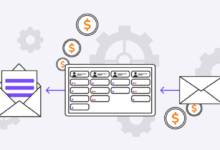
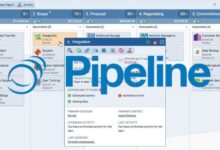
There are several benefits to using a free CRM, such as improved customer relationships, increased sales efficiency, better data organization, and streamlined communication processes. Free CRM options also often come with basic features that can help businesses get started with managing their customer relationships without a financial investment.
Comparison of Free CRM vs. Paid Versions
- Free CRM options typically offer basic features such as contact management, lead tracking, and email integration, while paid versions may include more advanced functionalities like marketing automation, custom reporting, and integrations with other tools.
- Free CRM software is a good starting point for small businesses or startups looking to establish a customer database and improve communication with clients. However, as a business grows, paid CRM options may be necessary to handle more complex customer management needs.
- While free CRM software can be cost-effective for businesses with limited budgets, paid versions often provide more customization options, better support services, and enhanced security features to protect sensitive customer data.
Features of Free CRM
Free CRM software offers a range of essential features that can help businesses manage their customer relationships effectively. These features include:
1. Contact Management
- Store and organize customer contact information
- Track interactions and communications with customers
- Segment contacts based on various criteria
2. Task and Calendar Management
- Schedule appointments, meetings, and follow-ups
- Set reminders and notifications for important tasks
- View and manage tasks and events in a centralized calendar
3. Reporting and Analytics
- Generate reports on sales performance, customer trends, and more
- Track key metrics and KPIs to measure business success
- Gain insights to make data-driven decisions
4. Email Integration
- Sync email accounts to track communications within the CRM
- Send and receive emails directly from the CRM platform
- Automate email campaigns and follow-ups
5. Customization Options
- Customize fields, workflows, and layouts to match specific business needs
- Create custom reports and dashboards for unique insights
- Add or remove modules based on the required functionality
6. Integrations
- Integrate with other business tools such as marketing automation software, accounting systems, and customer support platforms
- Streamline workflows by connecting different applications
- Automate data transfer between systems for seamless operations
Implementation of Free CRM
When it comes to implementing a free CRM system, there are certain steps you can follow to ensure a smooth transition. Additionally, migrating data to a free CRM platform and overcoming common challenges are crucial aspects to consider in the implementation process.
Setting up a Free CRM System
- Choose the right free CRM software that aligns with your business needs and goals.
- Set up user accounts and define user roles within the CRM system.
- Customize the CRM platform to match your specific business processes and workflows.
- Import and organize your existing data into the CRM system for easy access and analysis.
- Train your team on how to use the CRM effectively to maximize its benefits.
Migrating Data to a Free CRM Platform
- Assess your current data and clean up any duplicates or outdated information before migrating.
- Export data from your current system in a compatible format for easy import into the free CRM.
- Map out your data fields and ensure they align correctly with the CRM’s structure to avoid any data loss or errors.
- Test the data migration process with a small sample before moving all your data to identify and address any issues.
Common Challenges when Implementing a Free CRM
- Lack of proper training for users on how to effectively use the CRM system.
- Data quality issues due to incomplete or inaccurate information in the system.
- Resistance to change from team members accustomed to manual processes or different tools.
- Integration challenges with other systems or applications used within the organization.
Best Practices for Free CRM
Implementing a free CRM system can significantly improve your business operations and customer relationships. To maximize the benefits of free CRM software, it is essential to follow best practices that align with your business goals.
Utilize Data Segmentation
One of the key strategies for maximizing the benefits of a free CRM is to utilize data segmentation effectively. By categorizing your contacts based on specific criteria such as demographics, purchase history, or engagement level, you can tailor your marketing efforts and communication to target specific groups more effectively.
Automate Routine Tasks
Automation is another best practice that can streamline your workflow and save time. Take advantage of automation features in free CRM software to schedule follow-up emails, set reminders for important tasks, or trigger notifications based on specific actions taken by your contacts.
Integrate with Other Tools
Integrating your free CRM system with other tools such as email marketing platforms, social media channels, or e-commerce platforms can enhance its functionality and provide a more seamless experience for both your team and customers. This integration allows for better data synchronization and a more holistic view of customer interactions.
Measure Key Performance Indicators (KPIs)
To measure the effectiveness of your free CRM system, it is important to establish and track key performance indicators (KPIs) that align with your business objectives. Monitor metrics such as conversion rates, customer retention, or lead generation to evaluate the impact of your CRM efforts and make data-driven decisions for future improvements.
Comparison of Free CRM Platforms
When choosing a free CRM platform, it’s essential to compare and contrast different options available in the market to find the best fit for your business needs. This involves analyzing scalability, user reviews, and ratings to make an informed decision.
HubSpot CRM
HubSpot CRM is a popular free CRM platform known for its user-friendly interface and robust features. It offers tools for contact management, email tracking, and lead scoring. With HubSpot CRM, users can easily track interactions with customers and automate repetitive tasks.
Zoho CRM
Zoho CRM is another widely used free CRM platform that provides a comprehensive set of features for managing customer relationships. It offers modules for sales, marketing, and customer support, making it a versatile option for businesses of all sizes. Users appreciate Zoho CRM for its customization options and scalability.
Bitrix24
Bitrix24 is a free CRM platform that stands out for its collaboration features, such as built-in communication tools and project management capabilities. It offers a range of CRM tools, including contact management, sales automation, and reporting. Users praise Bitrix24 for its all-in-one solution and ease of use.
User Reviews and Ratings
When comparing free CRM platforms, it’s important to consider user reviews and ratings to gauge the overall satisfaction and performance of each option. Look for platforms with high ratings and positive feedback from users to ensure a reliable and effective CRM solution for your business.
Customization and Configuration in Free CRM
In free CRM software, users have the flexibility to customize fields, workflows, and reports to align with their specific business requirements. This level of customization allows businesses to tailor the CRM system to meet their unique needs and processes.
Customizing Fields
Users can add, edit, or remove fields in the CRM system to capture relevant data specific to their business. For example, a real estate agency may customize fields to include property type, square footage, or amenities.
Customizing Workflows
Customizing workflows in free CRM software enables businesses to automate processes and ensure consistency in operations. For instance, a sales team can create workflows for lead nurturing, follow-ups, and deal closures.
Customizing Reports
Users can generate custom reports in free CRM platforms to analyze data and track performance. By customizing reports, businesses can gain valuable insights and make data-driven decisions. For example, a marketing team can create reports on campaign performance, lead conversion rates, and ROI.
Importance of User Permissions and Access Control
User permissions and access control are crucial in free CRM platforms to maintain data security and protect sensitive information. By setting up user roles and permissions, businesses can control access to certain data and functionalities. This ensures that only authorized users can view or modify specific information within the CRM system.
Integrations with Free CRM
Integrations with free CRM tools play a crucial role in enhancing the functionality and efficiency of the CRM system. By connecting with third-party applications, businesses can streamline processes, improve data accuracy, and gain valuable insights.
Available Integrations for Free CRM
- Popular integrations include email marketing tools like Mailchimp, social media platforms such as Facebook and Twitter, project management software like Trello, and accounting solutions like QuickBooks.
- Integration with customer support systems such as Zendesk or HelpScout can also enhance customer service and satisfaction.
- Additionally, integrations with e-commerce platforms like Shopify or WooCommerce can help track sales and customer interactions seamlessly.
Benefits of Integrating Third-Party Apps with Free CRM
- Improved data accuracy and consistency across platforms.
- Enhanced productivity and efficiency by automating tasks and workflows.
- Access to a wider range of features and functionalities without switching between different applications.
Guide on Setting up Integrations with Free CRM Platforms
- Identify the third-party applications you want to integrate with your free CRM system.
- Check if the CRM platform offers built-in integrations or if you need to use a third-party integration tool.
- Follow the step-by-step instructions provided by the CRM platform or integration tool to connect the applications.
- Test the integration to ensure data is syncing correctly and all functionalities are working as expected.
Data Security and Privacy in Free CRM
Data security and privacy are paramount considerations when utilizing a free CRM platform. Providers of free CRM systems implement various measures to ensure the protection of sensitive data and compliance with regulations.
Measures for Data Security
- Encryption: Free CRM providers often use encryption techniques to safeguard data during transmission and storage.
- Access Control: Implementing strict access controls ensures that only authorized personnel can view or modify data within the CRM system.
- Regular Audits: Conducting regular security audits helps identify vulnerabilities and address them promptly to enhance data protection.
- Backup and Recovery: Having robust backup and recovery procedures in place is crucial to prevent data loss in case of system failures or cyberattacks.
Importance of GDPR Compliance
- GDPR (General Data Protection Regulation) compliance is essential for free CRM systems to ensure that personal data is processed lawfully, transparently, and securely.
- Non-compliance with GDPR can result in hefty fines and damage to the reputation of the organization using the CRM platform.
- By adhering to GDPR regulations, free CRM providers demonstrate their commitment to protecting user data and privacy.
Tips for Safeguarding Sensitive Information
- Train Users: Educate users on best practices for data security, such as creating strong passwords and avoiding sharing sensitive information.
- Implement Two-Factor Authentication: Enabling two-factor authentication adds an extra layer of security to prevent unauthorized access to the CRM system.
- Regularly Update Software: Keep the CRM platform and associated software up to date with the latest security patches to mitigate vulnerabilities.
- Data Minimization: Only collect and retain data that is necessary for business operations to reduce the risk of data breaches.
Future Trends in Free CRM
The landscape of free CRM software is constantly evolving, driven by technological advancements and changing customer needs. Let’s explore some of the future trends that are expected to shape the development of free CRM tools.
Artificial Intelligence and Machine Learning Integration
In the coming years, we can expect to see a greater integration of artificial intelligence (AI) and machine learning technologies in free CRM systems. These technologies can help automate routine tasks, provide valuable insights from data, and enhance the overall customer experience. By leveraging AI and machine learning capabilities, free CRM solutions can offer more personalized interactions and predictive analytics to drive better decision-making.
- AI-powered chatbots for customer support
- Machine learning algorithms for lead scoring and predictive analytics
- Automated data entry and analysis for improved efficiency
Mobile CRM Applications
With the increasing reliance on mobile devices, the future of free CRM software will likely focus on developing robust mobile applications. Mobile CRM apps allow users to access customer data on the go, collaborate with team members in real-time, and stay connected with customers from anywhere. The shift towards mobile-friendly CRM solutions will cater to the needs of remote teams and professionals who require flexibility in managing customer relationships.
- Offline access to CRM data on mobile devices
- Mobile-specific features for enhanced user experience
- Integration with geolocation services for field sales representatives
Data Privacy and Compliance
As data privacy regulations become more stringent worldwide, free CRM providers will need to prioritize security and compliance measures. Future trends in free CRM software will focus on enhancing data encryption, providing transparent data handling practices, and ensuring compliance with regulations such as GDPR and CCPA. By prioritizing data privacy and security, free CRM platforms can build trust with users and mitigate potential risks associated with handling sensitive customer information.
- Enhanced data encryption and secure transmission protocols
- Comprehensive audit trails for data access and usage
- Regular security updates and compliance certifications
Last Point
In conclusion, free CRM software provides a cost-effective and efficient way to manage customer relationships and drive business growth. By leveraging the right tools and strategies, businesses can maximize the benefits of free CRM and stay ahead in today’s competitive market.

Hi, I’m Lauren. As a digital enthusiast and storyteller, I love breaking down complex ideas into easy-to-read articles. My goal is to provide readers with fresh perspectives and helpful solutions through every piece I write.