CRM system sets the stage for this enthralling narrative, offering readers a glimpse into a story that is rich in detail with formal and friendly language style and brimming with originality from the outset.
In today’s competitive business landscape, the effective management of customer relationships is paramount to success. A CRM system plays a crucial role in helping businesses streamline their operations, enhance customer interactions, and drive growth. Let’s delve into the world of CRM systems and explore how they can revolutionize the way companies engage with their clientele.




Definition and Importance of CRM System
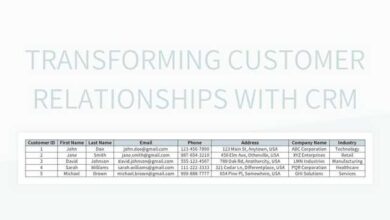
A Customer Relationship Management (CRM) system is a technology that helps businesses manage interactions and relationships with current and potential customers. It centralizes customer data, automates sales, marketing, and customer service processes, and provides insights to improve customer interactions.
CRM systems are crucial for businesses as they enhance customer relationships, increase customer retention, and drive sales growth. By having a comprehensive view of customer interactions and preferences, companies can tailor their marketing strategies, provide personalized customer service, and anticipate customer needs effectively.
Benefits of CRM Systems
- Improved Customer Relationships: CRM systems enable businesses to track customer interactions, analyze customer data, and personalize communication, leading to stronger relationships and customer loyalty.
- Enhanced Customer Retention: By understanding customer preferences and behavior, businesses can proactively address issues, offer personalized solutions, and retain customers over the long term.
- Increased Sales Efficiency: CRM systems streamline sales processes, automate tasks, and provide valuable insights, helping sales teams prioritize leads, close deals faster, and drive revenue growth.
Industries Benefitting from CRM Systems
- Retail: Retail businesses use CRM systems to track customer purchase history, offer personalized recommendations, and implement loyalty programs to retain customers.
- Finance: Financial institutions leverage CRM systems to manage client portfolios, track financial goals, and provide personalized financial advice to clients.
- Hospitality: Hotels and restaurants utilize CRM systems to personalize guest experiences, manage reservations, and gather feedback to improve customer satisfaction.
Types of CRM Systems
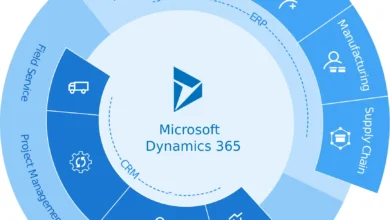
CRM systems can be categorized into different types based on their functionalities and focus. These types include operational, analytical, and collaborative CRM systems. Each type serves a specific purpose and offers unique features to help businesses manage their customer relationships effectively.
Operational CRM
Operational CRM systems are designed to streamline and automate customer-facing processes such as sales, marketing, and customer service. These systems focus on improving efficiency and productivity by providing tools for managing customer interactions, tracking leads, and monitoring sales pipelines. Key features of operational CRM systems include:
- Lead management
- Contact management
- Sales automation
- Customer service and support
Analytical CRM
Analytical CRM systems are used to analyze customer data and extract valuable insights to improve decision-making and customer service. These systems leverage data analytics and reporting tools to help businesses understand customer behavior, preferences, and trends. Key features of analytical CRM systems include:
- Data mining
- Customer segmentation
- Forecasting and predictive analytics
- Performance reporting
Collaborative CRM
Collaborative CRM systems focus on enhancing communication and collaboration among different departments within an organization to provide a unified view of the customer. These systems facilitate information sharing, teamwork, and coordination to ensure a seamless customer experience. Key features of collaborative CRM systems include:
- Customer interaction tracking
- Knowledge management
- Integrated communication channels
- Workflow automation
By understanding the key features and functionalities of each type of CRM system, businesses can evaluate their specific needs and choose the most suitable CRM system that aligns with their goals and objectives.
Key Components of a CRM System
CRM systems consist of several key components that work together to help businesses manage their customer relationships effectively. These components include customer database, interaction tracking, automation tools, data analytics, and reporting.
Customer Database
A customer database is a central repository where all customer information is stored. It includes contact details, purchase history, preferences, and any other relevant data. This database allows businesses to have a comprehensive view of each customer and tailor their interactions accordingly.
Interaction Tracking
Interaction tracking involves monitoring and recording every interaction a customer has with the business. This can include emails, phone calls, social media interactions, and in-person meetings. By tracking these interactions, businesses can ensure they are providing personalized and timely responses to customer inquiries.
Automation Tools
Automation tools help streamline repetitive tasks and workflows within the CRM system. This can include automated email responses, lead scoring, and task assignments. By automating these processes, businesses can save time and ensure consistency in their customer interactions.
Role of Data Analytics and Reporting
Data analytics and reporting play a crucial role in CRM systems by providing insights into customer behavior, trends, and performance metrics. Businesses can analyze this data to make informed decisions, identify areas for improvement, and track the effectiveness of their customer relationships.
Examples of CRM Component Utilization
– A retail company uses the customer database to personalize marketing campaigns based on past purchase behavior.
– A software company tracks customer interactions to identify common issues and improve customer support processes.
– An e-commerce business uses automation tools to send targeted emails to customers based on their browsing history.
Implementation Process of CRM Systems
Implementing a CRM system within an organization is a crucial process that requires careful planning and execution to ensure its success. Below are the steps involved in the implementation process, along with challenges that companies may face and best practices for a successful deployment and integration.
Steps in Implementing a CRM System
- Assessing Business Needs: Conduct a thorough analysis of your organization’s requirements and objectives to determine the features and functionalities needed in a CRM system.
- Choosing the Right CRM Solution: Select a CRM system that aligns with your business goals, budget, and scalability requirements.
- Customization and Configuration: Customize the CRM system to meet the specific needs of your organization, including setting up workflows, data fields, and user access levels.
- Data Migration: Transfer existing customer data from legacy systems to the new CRM platform while ensuring data accuracy and consistency.
- Training and Adoption: Provide comprehensive training to employees on how to use the CRM system effectively and encourage user adoption across the organization.
- Integration with Existing Systems: Integrate the CRM system with other business applications, such as ERP or marketing automation tools, to streamline processes and improve data sharing.
- Continuous Monitoring and Improvement: Regularly monitor CRM system performance, gather feedback from users, and make necessary adjustments to enhance its functionality and usability.
Challenges in CRM System Implementation
- Resistance to Change: Employees may resist adopting a new CRM system due to fear of change or lack of proper training.
- Data Quality Issues: Ensuring data accuracy and consistency during the data migration process can be challenging, leading to potential errors in customer information.
- Lack of Executive Support: Without strong leadership and support from top management, CRM system implementation may face delays or roadblocks.
- Integration Complexity: Integrating the CRM system with existing systems and applications can be complex and require specialized expertise.
Best Practices for Successful CRM Deployment
- Involve Key Stakeholders: Engage key stakeholders from different departments in the CRM implementation process to ensure alignment with organizational goals.
- Set Clear Objectives: Define clear objectives and KPIs for the CRM system to track its effectiveness and ROI.
- Provide Ongoing Training and Support: Offer continuous training and support to users to maximize adoption and utilization of the CRM system.
- Regularly Review and Update Processes: Continuously review and update CRM processes to adapt to changing business needs and customer expectations.
Benefits of Using a CRM System
Implementing a Customer Relationship Management (CRM) system can bring numerous benefits to businesses, ranging from improved customer satisfaction to increased sales growth. Let’s explore some of the advantages in more detail.
Enhanced Customer Satisfaction and Sales Growth
- CRM systems help businesses to better understand their customers by storing valuable information about their preferences, purchase history, and interactions. This leads to personalized customer experiences and tailored solutions, ultimately enhancing customer satisfaction.
- By analyzing customer data and behaviors, businesses can identify opportunities for upselling or cross-selling, leading to increased sales growth and revenue generation.
- Improved customer service through quick response times, efficient issue resolution, and personalized communication can also contribute to higher customer satisfaction levels and stronger customer loyalty.
Enhanced Marketing Strategies and Customer Engagement
- CRM systems provide valuable insights into customer behavior, allowing businesses to segment their customer base and target specific groups with personalized marketing campaigns. This targeted approach leads to higher conversion rates and better ROI on marketing efforts.
- Automation features in CRM systems streamline marketing processes, such as email campaigns, lead nurturing, and follow-ups, leading to increased efficiency and effectiveness in reaching out to customers.
- Integration with social media platforms and analytics tools enables businesses to monitor and engage with customers on various channels, enhancing brand visibility and customer engagement.
Real-Life Case Studies
Company X saw a 20% increase in customer retention rates after implementing a CRM system, thanks to personalized communication and targeted marketing campaigns based on customer data.
Company Y experienced a 15% growth in sales revenue within the first year of using a CRM system, as they were able to identify and capitalize on cross-selling opportunities through data analysis.
Integration of CRM Systems with Other Tools
Integrating CRM systems with other tools like email marketing platforms, social media, and e-commerce applications can significantly enhance the efficiency and productivity of businesses by streamlining data flow and communication processes.
Email Marketing Tools
Integrating CRM systems with email marketing tools allows businesses to create targeted email campaigns based on customer data stored in the CRM database. This integration enables personalized communication with customers, resulting in higher engagement and conversion rates.
Social Media Platforms
By integrating CRM systems with social media platforms, businesses can track customer interactions on social media, analyze their preferences and behavior, and engage with them in a more personalized manner. This integration helps in building stronger relationships with customers and improving brand loyalty.
E-commerce Platforms
Integrating CRM systems with e-commerce platforms enables businesses to track customer purchases, preferences, and browsing behavior. This integration allows for personalized product recommendations, targeted promotions, and efficient order management, leading to increased sales and customer satisfaction.
CRM System Customization and Tailoring
Customizing CRM systems is crucial for businesses to align the system with their specific needs and workflows. By tailoring the CRM system, organizations can maximize its effectiveness and ensure that it meets their unique requirements and objectives.
Customization Options in CRM Systems
- Personalized Dashboards: Businesses can customize dashboards to display relevant information and key metrics that are important for their operations. This allows users to have quick access to data that is most relevant to their roles.
- Reporting Features: CRM systems offer a variety of reporting options that can be tailored to provide insights specific to the business. Custom reports can be created to analyze data based on individual preferences and requirements.
- Workflow Automation: Customizing workflows within the CRM system can streamline processes and ensure that tasks are completed efficiently. Businesses can set up automated triggers and notifications to improve productivity.
Examples of CRM System Tailoring
- Scenario 1: A sales team can customize their CRM system to track leads, opportunities, and sales pipelines in a way that aligns with their sales process. Custom fields can be added to capture specific information unique to their industry.
- Scenario 2: A customer service department can tailor their CRM system to prioritize and categorize customer inquiries based on urgency or issue type. Customized workflows can be set up to ensure timely responses and resolutions.
- Scenario 3: An e-commerce business can customize their CRM system to track customer interactions across multiple channels, such as website visits, email communications, and social media engagements. This integrated view can help improve customer engagement and retention.
Security and Data Privacy in CRM Systems
Data security and privacy are critical aspects of CRM systems to ensure the protection of sensitive information and maintain customer trust. Implementing robust security measures and adhering to data privacy regulations are essential for the smooth operation of CRM systems.
Security Measures in CRM Systems
- Encryption: Utilizing encryption techniques to safeguard data both in transit and at rest, ensuring that unauthorized individuals cannot access confidential information.
- Access Control: Implementing strict access control mechanisms to limit data access based on roles and responsibilities, preventing unauthorized users from viewing or modifying sensitive data.
- Regular Audits: Conducting regular security audits to identify vulnerabilities and address them promptly, enhancing the overall security posture of the CRM system.
- Data Backup and Recovery: Implementing automated data backup processes and robust recovery mechanisms to prevent data loss in case of system failures or cyber attacks.
Importance of Compliance with Data Privacy Regulations
- GDPR Compliance: Ensuring compliance with regulations like GDPR helps in protecting customer data rights, establishing transparency in data processing, and avoiding hefty fines for non-compliance.
- Building Trust: Demonstrating a commitment to data privacy and security builds trust with customers, reassuring them that their information is handled responsibly.
- Legal Obligations: Compliance with data privacy regulations is not only a best practice but also a legal requirement in many jurisdictions, emphasizing the importance of adhering to these standards.
Recommendations for Enhancing Data Security in CRM Systems
- Employee Training: Providing regular training to employees on data security best practices and protocols to prevent human errors that could compromise system security.
- Multi-factor Authentication: Implementing multi-factor authentication for user logins to add an extra layer of security and ensure that only authorized users can access the CRM system.
- Regular Updates: Keeping CRM software and security systems up to date with the latest patches and updates to address known vulnerabilities and protect against emerging threats.
Future Trends and Innovations in CRM Systems
In the rapidly evolving landscape of customer relationship management (CRM) systems, emerging technologies are playing a pivotal role in shaping the future of how businesses interact with their customers. Advancements in AI, machine learning, and predictive analytics are revolutionizing CRM practices, enabling companies to gain deeper insights into customer behavior and preferences.
AI-Powered CRM Systems
AI-powered CRM systems are becoming increasingly popular as they can analyze vast amounts of customer data to provide personalized recommendations and insights. By leveraging machine learning algorithms, these systems can predict customer behavior, identify trends, and automate routine tasks, allowing businesses to focus on building stronger relationships with their customers.
Predictive Analytics in CRM
Predictive analytics in CRM systems enable businesses to forecast customer needs and preferences based on historical data and trends. By analyzing patterns and trends, companies can anticipate customer behavior, personalize marketing campaigns, and tailor their products and services to meet specific customer demands.
Integration of IoT in CRM
The integration of Internet of Things (IoT) devices with CRM systems is another emerging trend that allows businesses to gather real-time data from connected devices. This data can provide valuable insights into customer behavior, preferences, and interactions, enabling companies to deliver more personalized and timely customer experiences.
Virtual Reality and Augmented Reality in CRM
Virtual Reality (VR) and Augmented Reality (AR) technologies are also making their way into CRM systems, offering immersive and interactive experiences for customers. By integrating VR and AR capabilities, businesses can create virtual showrooms, conduct virtual product demonstrations, and enhance the overall customer engagement process.
Blockchain Technology for Enhanced Security
Blockchain technology is being explored for enhancing the security and privacy of CRM systems. By implementing blockchain-based solutions, businesses can ensure secure data storage, streamline transactions, and build trust with customers by providing transparent and tamper-proof records of interactions.
Final Summary
As we conclude our exploration of CRM systems, it becomes evident that these tools are indispensable for modern businesses looking to thrive in a customer-centric environment. By leveraging the power of CRM systems, organizations can unlock new levels of efficiency, customer satisfaction, and profitability. Embracing this technology is not just a choice but a necessity in today’s dynamic market landscape.

Hi, I’m Lauren. As a digital enthusiast and storyteller, I love breaking down complex ideas into easy-to-read articles. My goal is to provide readers with fresh perspectives and helpful solutions through every piece I write.